AI and the Construction Industry: Why It Matters More Than You Think…
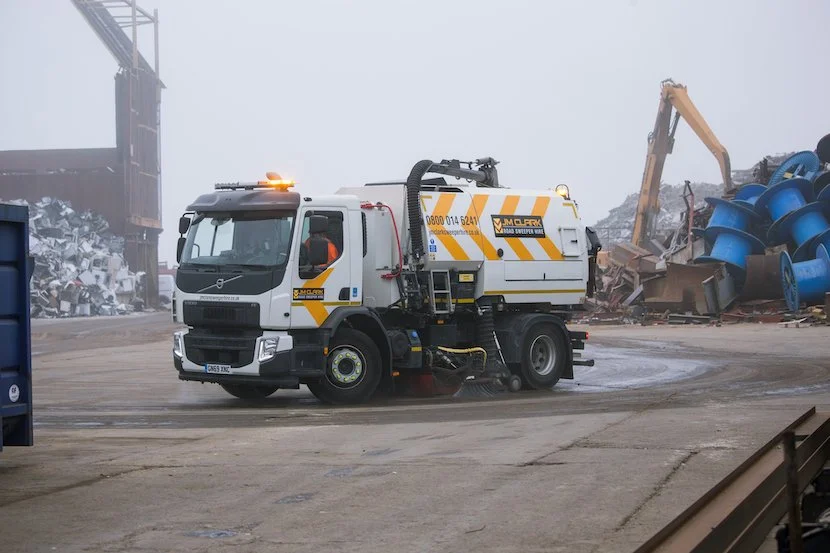
When people hear “AI in construction,” they often picture robots laying bricks or autonomous machines replacing skilled workers.
In reality, AI is already being used across the construction and highways sector — not on the surface, but quietly behind the scenes. It isn’t about replacing people. It’s about using data more intelligently to improve reliability, reduce downtime, and deliver better outcomes for clients.
And nowhere is this more relevant than in mechanical road sweeping, drainage maintenance, and large-scale plant hire.
What AI Actually Means in Construction
AI in construction doesn’t mean humanoid robots or science fiction.
At its core, AI is software that:
analyses large volumes of operational data
identifies patterns humans can’t easily spot
helps teams make better decisions, faster
This data can include:
vehicle GPS and telematics
maintenance history
weather conditions
traffic flow
job completion records
Think of AI as an operations assistant that never forgets a job, never misses a pattern, and never gets tired.
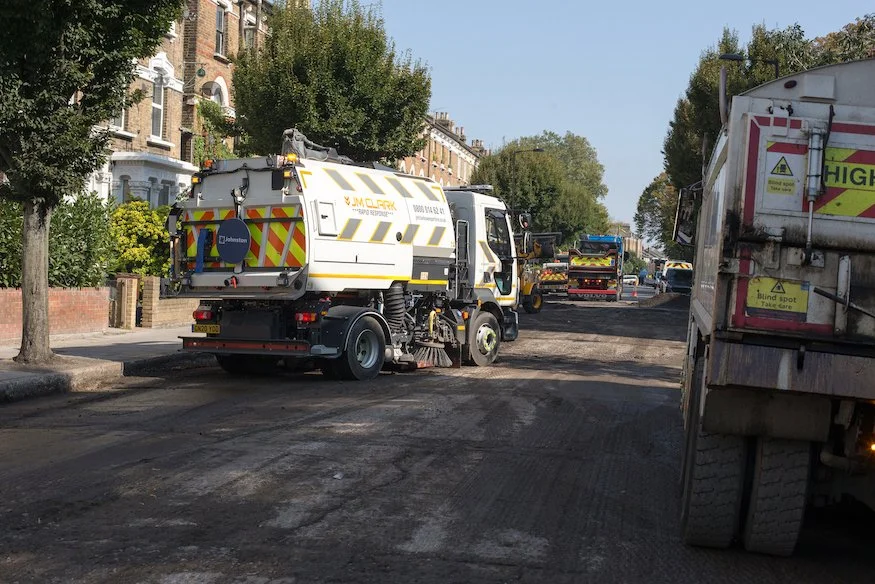
Where AI Is Already Being Used on Construction Sites
Many construction businesses are already using AI-driven systems without even labelling them as “AI”:
Fleet tracking and route optimisation
Reducing fuel use, delays, and missed jobsPredictive maintenance
Spotting potential failures before they cause breakdownsJob scheduling and planning
Improving resource allocation across crews and plantHealth and safety monitoring
Identifying risk trends and near-miss patterns
These tools don’t change how work is done — they make it more reliable.
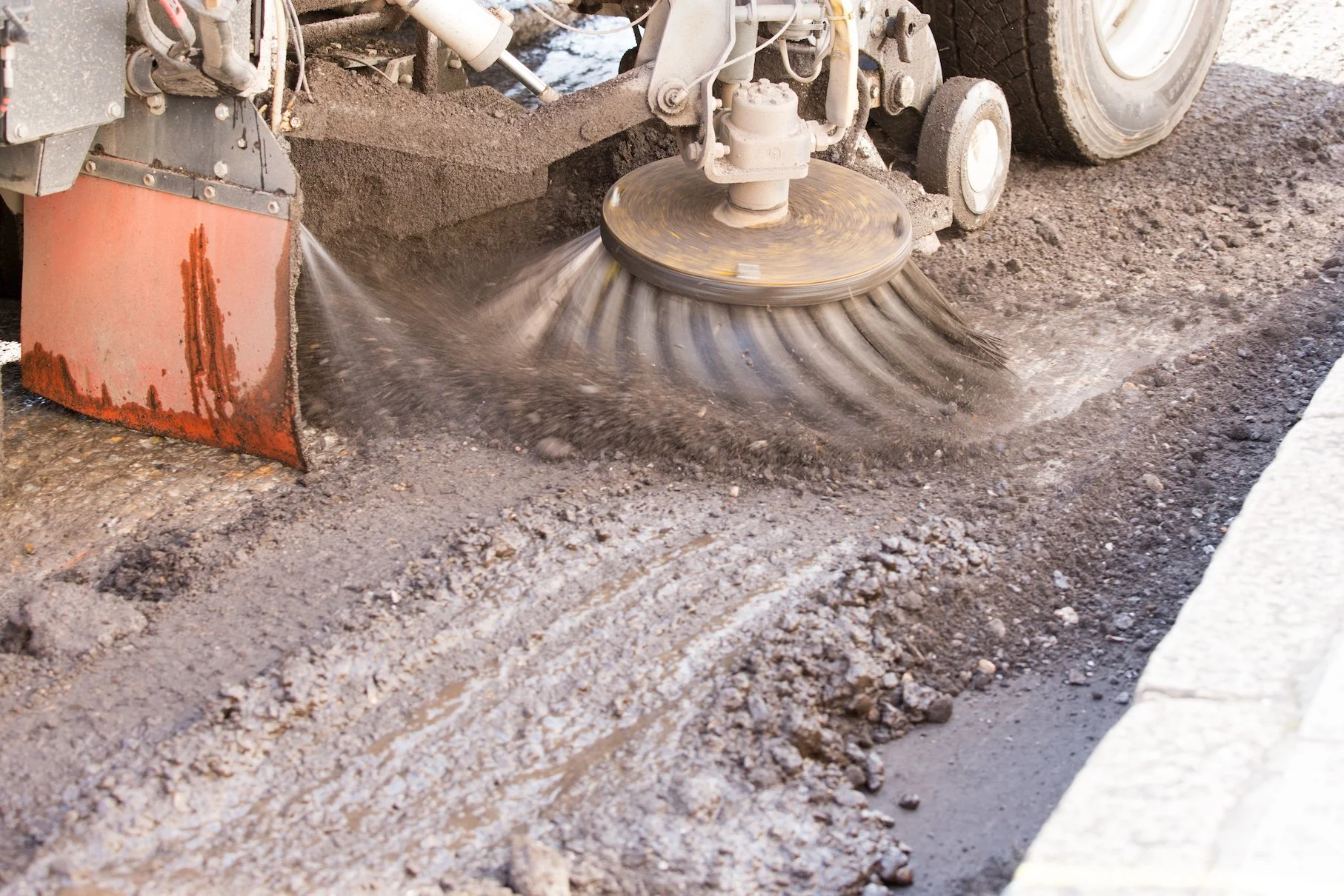
Predictive Maintenance for Sweepers
Modern sweepers generate data on:
brush wear
suction efficiency
hydraulic performance
AI systems can flag early signs of wear before a failure occurs.
Result:
Fewer roadside breakdowns, longer equipment life, and fewer cancelled jobs.
Intelligent Gully & Drainage Maintenance
By analysing repeat blockages and environmental factors (leaf fall, construction debris, flooding history), AI can help identify drainage hotspots.
Result:
Preventative maintenance instead of reactive emergency callouts.
Automated Compliance & Reporting
AI-assisted reporting tools can:
automatically log completed work
timestamp and geo-tag activity
simplify audit trails for councils and highways authorities
Result:
Less admin time and greater transparency.
AI and Large-Scale Plant Hire
Plant hire operations benefit in quieter but equally powerful ways:
Usage optimisation – ensuring plant is deployed where it’s genuinely needed
Idle time reduction – cutting wasted availability on sites
Demand forecasting – anticipating requirements before peak periods
Damage and misuse detection – identifying abnormal usage patterns early
For plant hire companies, this directly protects margins and improves service reliability.

What AI Will Not Replace
It’s important to be clear about this.
AI will not replace:
skilled operators
experienced drivers
local knowledge
on-site judgement and accountability
The best outcomes come when AI supports experienced teams — not when it attempts to replace them.
Why This Matters to Clients
From a client perspective, AI-enabled operations mean:
cleaner roads
faster response times
improved value for money
transparent reporting
reduced environmental impact
AI is a “service-quality tool”.
The Real Future of AI in Construction
AI in construction isn’t about dramatic change. It’s about quiet improvement.
The same essential work still gets done — sweeping roads, clearing drains, maintaining infrastructure — just more efficiently, more reliably, and with better visibility and simply delivering better results.
Emergencies can happen at any time, and when they do, swift action is necessary to keep roads safe and operational. At JM Clark, we provide reliable emergency road sweeping services to clear debris, minimise hazards, and restore normality as quickly as possible.
If you need emergency sweeping services, don’t hesitate to get in touch with us. Whether it’s a sudden spill, accident clean-up, or post-storm debris removal, our team is ready to respond—keeping roads clean, safe, and accessible for all.
Get in touch here:
T: 0800 014 6241
E: info@jmclarkltd.co.uk
www.jmclarkltd.co.uk